Key takeaways
- A calm salt cellar and spoon row reset for the stove side counter, with a dry covered cellar, a small spoon, clear labels, and simple daily helpers.
- Top Pick: Vantasii Canvas Zipper Pouches
- Runner-up: feela Pocket Notebooks
- Also consider: Pilot G2 Pens
A salt cellar earns its place by the stove when it stays dry, opens with one hand, and keeps a small spoon ready for a clean pinch. When the cellar sits open to steam, the salt clumps, the spoon wanders off, and seasoning turns into a small daily hunt through drawers. A simple row reset fixes that: a covered cellar in a dry spot, a spoon that lives in one place, labels that say what sits inside each jar, and a short note of what needs refilling soon. None of it is fancy, and none of it takes long to set up.
This guide walks through a plain reset of the salt cellar and spoon row, using five everyday helpers that support the setup around the cellar itself. The pouches keep spare spoons and lids in one place, the notebooks hold refill notes, the pens keep labels clear, the lamp adds warm light to the corner, and the charcoal bags sit nearby for general freshness support. Measure the counter first, pick a dry home for the cellar away from the kettle, and let each item do one simple job well.
As an Amazon Associate, we earn from qualifying purchases.
How to choose
Begin with the counter itself. Measure the space beside the stove where the row will live, and note how much room a cellar, a spoon rest, and one or two jars truly need. A crowded row invites spills, so leave open space around the cellar for a hand to land. Pick a dry home for the cellar, away from the kettle spout and the steam that rises off a boiling pot, because damp air is what turns loose salt into a solid lump.
A lid or cover matters more than looks. Follow the maker guidance for the cellar you choose, keep the cover on between uses, and let the salt stay dry and loose. A small spoon that lives in or beside the cellar keeps fingers out of the salt, which keeps the salt clean and makes each pinch even. Ceramic and glass cellars look calm on the counter, and they ask for gentle handling: lift them with two hands, wash them per maker guidance, and set them down on a dry surface rather than a wet one.
Keep the row a grown-up station. Children are served by grown-ups, and seasoning at the table is a grown-up job, so small hands stay out of the cellar. Wipe the row down as part of the evening tidy, return the spoon to its spot, and close the cover. Labels and a short refill note, covered in the sections below, keep the row honest about what each jar holds. No cellar in this row promises any cooking outcome; good seasoning still comes from the cook, the dish, and a careful hand. The row simply makes that habit easier to keep, day after day.
Vantasii Canvas Zipper Pouches
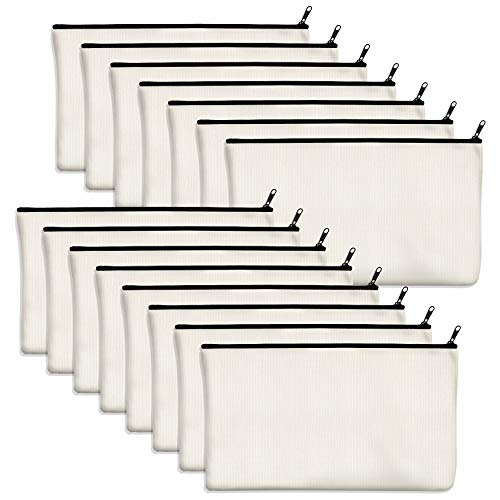
A salt cellar row stays tidy when the small loose pieces have a home, and these canvas pouches give spare spoons, extra lids, and jar rings one place to land. The 15-pack count means one pouch can hold backup spoons for the stove row, another can hold the spare cellar lid, and others can wait in a drawer for the pantry shelf. The zipper keeps small items from drifting into the back of a drawer, and the canvas sits flat without taking up counter room. One clear limit matters: these pouches are canvas, and they are never waterproof, so keep them away from the sink splash zone and never store a damp spoon inside one. A quick shake and air dry keeps the canvas in good shape between uses. For the row reset, assign each pouch a single job and label the outside, so anyone in the kitchen can return a spoon to the right pouch without thinking. That small habit keeps the cellar, the spoon, and the spare parts together as one calm station by the stove, rather than a scatter of small metal pieces across two drawers.
Specs:
– Format: Canvas zipper pouches
– Pack count: 15 pouches
– Water resistance: None; canvas only, never waterproof
– Row job: Holds spare spoons, lids, and jar rings
feela Pocket Notebooks

A short note keeps the salt row honest. These pocket notebooks come in a 3-pack, and one can live in the apron pocket or the drawer beside the stove as the row log. Use it for plain lists: which salt sits in the cellar, when the jar was last filled, which spoon belongs with which cellar, and what to add to the shopping list before the jar runs low. The small pages suit short entries written while a pot simmers, and the pack format means a fresh book is ready when one fills up. Keep the entries to logs and lists only. Full passwords belong in a password manager, never in a kitchen notebook, and the same goes for any private detail. A notebook by the stove is a memory aid, not a safe. For the reset, write the row plan on the first page: cellar spot, spoon spot, label wording, and the refill note. After a week of cooking, a quick look at the log shows what worked and what moved. That record turns a one-time tidy into a habit the whole kitchen can follow without guesswork.
Specs:
– Format: Pocket notebooks
– Pack count: 3 notebooks
– Use: Logs and lists for the kitchen row
– Privacy note: Passwords belong in a password manager
Pilot G2 Pens
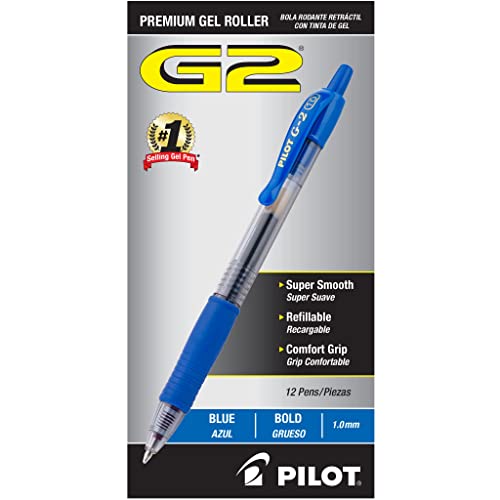
Clear labels end the guesswork along the row. A jar of flaky salt, a jar of fine salt, and a small pot of seasoned blend can look alike at a glance, and a clean label on each one keeps the right pinch going into the right dish. These gel pens write smoothly on paper labels and tape, and the line stays dark and easy to read under warm kitchen light. Keep one pen in the drawer with the notebooks so labeling becomes part of filling a jar, not a chore saved for later. Write the salt type and the fill date, and replace a faded label when the jar is washed and refilled. The pens also serve the rest of the row: marking the pouch for spare spoons, dating the notebook entries, and noting the blend mix on a card tucked beside the cellar. Gel ink needs a moment to dry on glossy tape, so give a fresh label a few seconds before handling it. Stored with the cap on, a pen is ready whenever a jar changes hands or a new salt joins the row, keeping the whole station readable for every cook in the house.
Specs:
– Format: Gel pens
– Use: Labels and notes
– Row job: Marks salt type and fill date on jar labels
– Care: Store capped; let ink dry on glossy tape
Himalayan Glow Salt Lamp

A salt cellar row sits in the working corner of the kitchen, and this lamp is there for one simple reason: a warm, decorative glow that makes the corner feel calm during evening cooking. It is a lamp, nothing more. It makes no health claims, it does not clean or purify the air, and it is not a grow light for herbs on the sill. Set it on a dry, steady surface away from the sink and away from the steam path of the kettle, since a lamp and splashing water are poor neighbors. Keep the cord clear of the stove and off the floor where feet pass. In this row, the lamp earns its spot by making the seasoning station pleasant to use at night, when a cook reaches for a pinch under softer light. Wipe it with a dry cloth when dust settles, following the maker guidance for care. Anyone choosing this piece should choose it for the glow alone, the way one chooses a candle holder or a small night light: for mood, for warmth of light, and for nothing beyond that.
Specs:
– Type: Salt lamp
– Role: Decorative warm glow only
– Air claims: None; does not purify the air
– Growing use: Not a grow light
Vitscan Bamboo Charcoal Bags

The pantry end of the row holds spare salt, blends, and jars waiting for a refill, and these bamboo charcoal bags sit on that shelf for general freshness support. They are a quiet, passive helper: no scent, no spray, and no promise attached. The bags offer general freshness support only, with no guaranteed results, and they never replace the basics of a dry cellar, a closed lid, and a clean shelf. Place them where air moves gently around the jars, away from direct steam and away from any damp corner, and follow the maker guidance for refreshing and replacing them over time. In the reset, the bags mark the boundary of the row: the cellar and spoon by the stove for daily cooking, and the shelf behind them kept dry, labeled, and calm. If a jar smells stale or the salt inside has picked up moisture, the fix is to empty, wash, dry, and refill the jar, not to lean on a bag. Used with that honest limit in mind, the bags round out the row as a low-effort background helper for the shelf, while the real work stays with dry storage and steady habits.
Specs:
– Format: Bamboo charcoal bags
– Role: General freshness support for the shelf
– Results: No guaranteed results
– Care: Follow maker guidance for refreshing and replacing
FAQ
How dry does the cellar spot need to be?
Choose the driest spot the counter offers, away from the kettle spout and the steam above boiling pots. Keep the lid or cover on the cellar between uses, following the maker guidance, and dry the cellar fully after washing before the salt goes back in. If the salt still clumps, move the cellar farther from the stove and check that the spoon going in is dry, not wet from the sink.
Why use a spoon instead of fingers?
A small spoon keeps fingers out of the salt, which keeps the salt clean for the next cook and makes each pinch even. Fingers carry moisture and whatever the cook handled a moment before, and both end up in the cellar. A spoon that lives in one spot beside the cellar also ends the hunt for a clean utensil in the middle of cooking a dish.
How do I keep labels readable?
Write the salt type and the fill date with a gel pen on a plain paper label, and let the ink dry fully before the jar goes back on the row. Replace any label that fades or peels when the jar is washed and refilled. One pen kept with the notebooks means the label is written at refill time, not days later from memory.
Can children season their own food from the cellar?
Seasoning from the cellar is a grown-up job. Children are served by grown-ups, who add salt at the stove or at the table for them. Keep the cellar toward the back of the counter, out of easy reach, with the cover on. Older children can help with safe tasks away from the stove, like carrying a napkin or reading a label aloud, while the seasoning stays with the adults.
Final verdict
For a stove-side row that stays calm through daily cooking, the covered cellar in a dry spot does the heavy work, and the five helpers in this guide keep that setup easy to hold. The pouches gather the spare spoons and lids, the notebooks hold the refill notes, the pens keep every jar labeled, the lamp adds a warm decorative glow to the corner, and the charcoal bags give the shelf general freshness support. None of it promises any cooking outcome. What it offers is simpler: a dry cellar, a spoon in its place, and a row any cook can use without thinking twice.