Key takeaways
- Reset the oil cruet and bottle row by the stove with five calm picks for filling, labeling, logging, and keeping the counter clean and steady.
- Top Pick: Vantasii Canvas Zipper Pouches
- Runner-up: feela Pocket Notebooks
- Also consider: Pilot G2 Pens
The row of bottles beside the stove tends to drift into a small mess over time. A cruet for olive oil ends up behind the vinegar, a tall bottle slides toward the heat, labels fade, and a thin ring of oil gathers under everything. A calm reset fixes the layout rather than adding more gear: one cruet in front, backup bottles behind it, clear labels, and a simple way to wipe the counter clean after each refill.
This guide pulls together five supporting picks that help the row stay tidy and easy to use. None of them is a cruet on its own, and that is the point. The pouches, notebooks, pens, lamp, and charcoal bags each handle one small job around the bottles: holding spare caps and funnels, logging fill dates, writing labels that stay readable, giving the corner a warm glow, and helping the cabinet nearby stay fresh. Read through the picks, measure your counter first, and build the row that fits your cooking habits.
As an Amazon Associate, we earn from qualifying purchases.
How to choose
Begin with the counter itself. Measure the counter first, from the wall to the front edge and from the stove to the nearest cabinet, so you know how deep the row can be before anything crowds the burners. A shallow row keeps every bottle in reach and keeps glass away from direct stove heat, which matters because a hot cruet is awkward to lift and a cold one can sweat near a burner.
Think about filling next. Cruets are filled over the sink with a funnel, never over the counter, and any drip is wiped at once so no slick patch stays on the floor or the worktop. Pick a funnel spot in the row plan, and keep a small pouch nearby for the funnel, spare caps, and pour spouts so those loose pieces stop wandering into drawers.
Labels and dates come after that. A bottle of oil poured in spring should not be guessed at in autumn, so write the fill date on the label and keep a short log of what went into each cruet. Oils are kept capped and away from small children at all times, and children are served by grown-ups rather than reaching across the stove row themselves.
Finally, set honest expectations. Glass cruets are handled with care and washed per maker guidance, and no cruet in the row promises any cooking outcome. The row is about reach, order, and clean habits, nothing more.
Vantasii Canvas Zipper Pouches
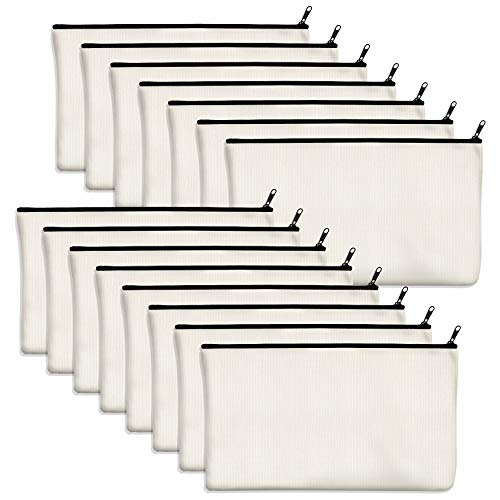
Every bottle row has loose pieces with no home: the funnel, two spare caps, a pour spout with a dust cover, a small brush for the cruet neck. The Vantasii Canvas Zipper Pouches give those pieces one zipped place beside the bottles. The set is a 15-pack, so one pouch can live in the row for filling tools while others hold backup caps, extra spouts, or paper funnels for wide-mouth bottles.
The canvas is sturdy for dry goods and wipes clean on the outside after a splash. Be plain about the limit, though: these pouches are canvas and never waterproof. An oily funnel goes in only after it is washed and dried, and a pouch that catches a drip should be aired out rather than sealed up damp. Used that way, the pouch keeps greasy little tools off the clean counter.
For a row reset, the pouches also help you sort before you arrange. Fill one with pieces for the daily cruet, one with the weekend bottles, and leave the rest for pantry odds and ends. When everything small has a pouch, the bottles stand in a clean line without clutter at their bases, and refilling day becomes a simple unzip, fill over the sink, wipe, and zip again.
Specs:
– Pack count: 15 pouches
– Material: canvas
– Closure: zipper
– Water resistance: canvas only, never waterproof
– Role in the row: holds funnels, spare caps, and pour spouts
feela Pocket Notebooks

A small log turns a neat row into a reliable one. The feela Pocket Notebooks come in a 3-pack, sized to sit beside the cruets or in the pouch with the funnel. Use one to note the day each cruet was filled, which oil went in, and when a bottle was opened. That short record ends the guessing game of sniffing a bottle and wondering how long it has stood by the stove.
The pages suit quick lines rather than long writing, which fits the job: date, oil, done. A second notebook can hold the row plan itself, the counter measurements, and the order you settled on, so the next reset follows the same layout. Keep the third as a spare for lists of replacement caps, spouts, and oils running low.
One firm rule for these notebooks: they are for logs and lists only. Full passwords belong in a password manager, never in a paper notebook that sits out on a kitchen counter where anyone can open it. The same goes for any private codes or account details. Kitchen logs, pantry lists, and fill dates are the right contents here, and keeping that boundary makes the little books safe to leave in plain sight by the bottles.
Specs:
– Pack count: 3 notebooks
– Format: pocket size
– Use: logs and lists only
– Note: full passwords belong in a password manager
– Role in the row: fill dates and row plan records
Pilot G2 Pens
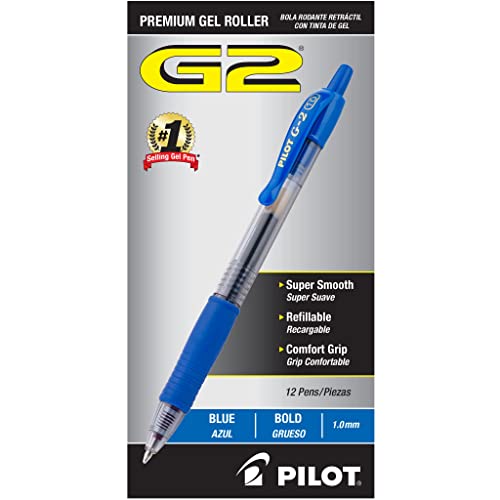
Labels only help if they can be read at a glance while a pan is warming. The Pilot G2 Pens write a smooth, dark line that holds up on the small paper labels and tape strips most cooks stick on a cruet neck or bottle shoulder. Write the oil name and the fill date in plain block letters, and the row stays honest: nobody has to guess whether the front cruet holds the mild oil or the peppery one.
A gel pen also earns its place in the log habit. Keep one clipped to the notebook pouch so the fill date gets written at the sink, right after the funnel comes out, instead of being left for a later that never comes. When a bottle is emptied and washed per maker guidance, cross out the old label, write a fresh one, and the record stays clean.
Pens wander in kitchens, so give this one a fixed home in the filling pouch. That routine pairs the pen, the labels, and the notebook into a single motion: fill over the sink, wipe the bottle, cap it, label it, log it. Children are served by grown-ups and do not handle the labeling at the stove, but older helpers can read the labels aloud while a grown-up pours.
Specs:
– Type: gel ink pens
– Use: labels and notes
– Line: smooth, dark, easy to read
– Role in the row: bottle labels and log entries
Himalayan Glow Salt Lamp

The corner by the stove often sits in shadow once the overhead light is off, and a row of glass bottles can look dull and cluttered in that dim spot. The Himalayan Glow Salt Lamp gives the counter a soft, warm glow that makes the row feel settled and easy on the eyes during evening cooking. Place it at the end of the row, away from the burners and away from splashes, where its light falls across the bottles without heating them.
Keep the claims plain: this lamp is a decorative piece with a warm glow, and nothing beyond that. It is not a health aid, it makes no promise about the air in the room, and it is not a grow light for herbs on the windowsill. Treating it as decor only keeps expectations honest while letting it do its one job well, making the corner pleasant.
Because it sits near a cooking zone, give it the same care as the cruets. Keep the cord clear of the stove, wipe dust off with a dry cloth, and switch it off before wiping the counter so no damp cloth meets a warm bulb. A lamp at the row’s end also marks where the bottle row ends and the rest of the counter begins.
Specs:
– Type: salt lamp
– Light: warm, decorative glow
– Claims: decorative only, no health or air claims
– Note: not a grow light
– Role in the row: end-of-row accent light
Vitscan Bamboo Charcoal Bags

The cabinet under or beside the bottle row often holds onions, garlic, and a bin, and that mix can leave the whole corner smelling stale even when the counter is clean. The Vitscan Bamboo Charcoal Bags sit in that cabinet or on a nearby shelf as a quiet freshness helper for the space around the row. They ask for no sprays, no plugs, and no routine beyond placing them where air moves gently.
Frame the benefit modestly: these bags offer general freshness support for a small enclosed space, with no guaranteed results. A cabinet holding strong-smelling stores may still smell of them, and the bags are not a fix for spills or food that should be thrown out. Clean the cabinet first, let it dry, and then let the bags do their mild background work.
They pair well with the reset habit. When you wash the cruets per maker guidance and wipe the row, check the cabinet too, air it out, and put the bags back in place. Keep them dry and out of any standing water under the sink, since a soaked bag helps nothing. For a bottle row beside stored food, this quiet support rounds out the reset without adding noise, scent, or fuss.
Specs:
– Type: bamboo charcoal bags
– Use: general freshness support in small spaces
– Results: no guaranteed results
– Placement: dry cabinet or shelf near the row
– Role in the row: background freshness for the storage corner
FAQ
How should I fill a cruet without making a mess?
Fill over the sink with a funnel, pour slowly, and stop short of the neck so the cap seats cleanly. Wipe the bottle at once, check the counter and floor for drips, and put the funnel back in its pouch after washing and drying it.
How do I keep track of which oil is in each bottle?
Write the oil name and fill date on a label with a dark gel pen, and keep a matching line in a pocket notebook log. When a bottle is emptied and washed per maker guidance, replace the label and add a fresh log entry.
Where should the bottle row sit on the counter?
Measure the counter first and keep the row shallow, with the daily cruet in front and backups behind it. Keep glass away from direct stove heat, keep oils capped and away from small children, and leave clear space so bottles are never reached across a burner.
Does any pick here improve how food turns out?
No. No cruet in the row promises any cooking outcome, and the supporting picks only help with order, labeling, logging, light, and general freshness. Good habits around filling, wiping, and storing do the real work.
Final verdict
A bottle row reset is a small job with a daily payoff. Measure the counter first, fill over the sink with a funnel, wipe drips at once, and keep oils capped and away from small children, who are served by grown-ups. The Vantasii pouches corral the loose filling tools, the feela notebooks hold the fill log, the Pilot G2 pens keep labels readable, the salt lamp gives the corner a calm decorative glow, and the Vitscan bags offer quiet freshness support nearby. None of it promises a cooking outcome, and that honesty is the point: a tidy, safe, easy row that stays that way.