Key takeaways
- Reset your spice row with five support picks that help you group loose packets, write clear labels, keep a simple log, and freshen the shelf area.
- Top Pick: Vantasii Canvas Zipper Pouches 15-pack
- Runner-up: feela Pocket Notebooks 3-pack
- Also consider: Pilot G2 Pens
A spice row drifts into disorder. Jars lose their lids in the wrong drawer, labels fade into smudges, two jars of the same blend sit side by side, and the paprika hides behind the cumin every time. A reset sounds simple, yet the jars and racks are only half of the job. The other half is the support layer around them: a way to group loose packets, write labels that stay readable, keep a running log of what you own, and keep the shelf area feeling fresh.
This guide is upfront about its angle. None of the five pieces below is a spice jar, and none of them is a rack or shelf. Each one earns its place around a spice row reset by handling labeling, grouping, logging, light, or freshening. If your jars are cracked or your rack is broken, replace those first, then use this list for the finishing layer that keeps the row tidy week after week. Every pick here is a general household item in a kitchen support role, so read each section for what the piece does well and where its limits sit.
As an Amazon Associate, we earn from qualifying purchases.
How to choose
Begin by naming the jobs your reset needs done. Most messy spice rows share the same four gaps: loose refill packets with no home, labels that nobody can read, no record of what is already in the cupboard, and a shelf corner that smells like last month’s cooking. Match one support piece to each gap. A grouping tool, a labeling tool, a log, and a freshening aid will carry a reset further than any one gadget.
Storage basics matter more than gear. Keep spices in a cool, dry spot away from stove heat, because warmth and steam dull flavor over time. Lids belong on snug, and jars do better out of direct sun on an open counter. Before you buy anything, pull every jar out, group blends by how you cook with them, and note the duplicates. That quick sort tells you how many pouches you need and how many labels to write.
Follow maker guidance on every item you bring in. Care and placement notes come from each maker, and those directions outrank any general tip. Think of the five picks below as helpers around the jars: the pouches corral packets, the pens write the labels and the log entries, the notebooks hold the record, the lamp warms the corner with light, and the charcoal bags support everyday freshness.
Vantasii Canvas Zipper Pouches 15-pack
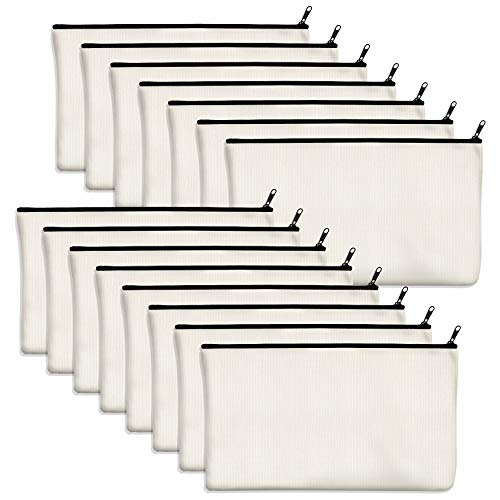
Every spice reset uncovers the same stray pile: half-used refill packets, loose bay leaves in a torn bag, a twist of dried chilies with no label at all. The Vantasii canvas zipper pouches give that pile a home. The set holds fifteen pouches in assorted sizes, so small packets, mid-size refill bags, and bulky items like cinnamon sticks each get a pouch that fits. A zipper closure keeps contents in place better than a folded bag top, and the canvas body lies flat in a drawer.
Grouping is where these pouches earn their keep. Put all baking spices in one pouch, all chili blends in another, and whole spices in a third, then label each pouch with a pen from this list. When a jar runs low, the matching pouch is the refill. The pouches also protect the shelf from the fine dust that leaks out of paper packets and settles into corners.
One limit deserves plain words: these pouches are not waterproof. Keep them in a dry cupboard or drawer, away from the sink and away from steam. A damp pouch will pass that dampness to whatever sits inside it, so dry goods only, stored dry. Used that way, the set turns loose ends into neat, labeled groups.
Specs
- Format: Canvas zipper pouches
- Pack count: 15 pouches
- Sizes: Assorted sizes for grouping small items
- Closure: Zipper
- Water resistance: Not waterproof; keep dry
feela Pocket Notebooks 3-pack

A spice row stays tidy when someone keeps a record, and the feela pocket notebooks are sized for exactly that job. These small paper notebooks slip into a drawer beside the jars, close enough to grab while you cook. The three-pack format lets you split duties: one notebook for the running inventory of jars and refill pouches, one for shopping lists built from that inventory, and one for notes on blends you mix at home.
The inventory page is the quiet hero of a reset. Write each spice name, the jar it lives in, and the pouch that holds its refill. When a pouch empties, cross it off. When a jar looks low, check the page before adding the item to a shopping list. That simple habit ends the duplicate buying that fills rows with extra jars in the first place.
Keep the role narrow and the notebooks serve well. They are for kitchen logs and lists only. Never write full passwords in a paper notebook; account details belong in a proper password manager, not on a shelf beside the cumin. As a log for spices, blends, and grocery needs, though, this little set pulls more weight than its size suggests.
Specs
- Format: Paper pocket notebooks
- Pack count: 3 notebooks
- Use: Kitchen logs and lists
- Note: For logs and lists only; use a password manager for passwords
Pilot G2 Pens
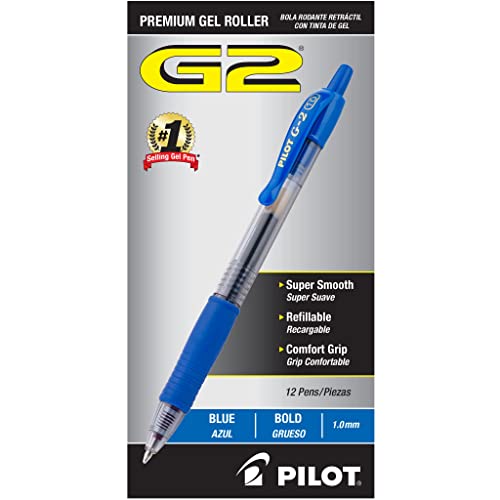
Labels fail in two ways: the ink fades, or the writing turns into a scrawl nobody can decode a month later. Pilot G2 pens handle both problems with a smooth gel ink line that reads clearly on small surfaces, which is exactly what spice jar labels and pouch tags demand. A fine, steady line lets you fit a spice name plus the month and year you filled the jar onto a small label, and that date line is what turns a tidy row into a rotation system.
In a reset, these pens do steady work from the first hour. They write the new jar labels, mark each pouch with its group name, fill in the inventory pages of the notebook, and draft the shopping list when the sort is done. Keeping one pen in the spice drawer means the log stays current, because the tool is within reach when you notice a jar running low.
Gel ink also behaves well on the paper tags many home cooks tie to jar necks or tuck into pouches. Write slowly, let the line dry for a few seconds before handling, and the words stay crisp. Clear labels are the backbone of a spice row that stays sorted, and this is the tool that writes them.
Specs
- Type: Gel ink pens
- Use: Labeling jars, pouches, and tags
- Use: List writing and log entries
Himalayan Glow Salt Lamp

A spice reset is about order, and order is easier to keep in a corner of the kitchen that feels calm and welcoming. The Himalayan Glow salt lamp plays that supporting role. Each lamp is a hand-carved Himalayan salt rock set on a wooden base, with a dimmer switch that lets you set the warm amber glow low for evening cooking or a touch higher while you work. It is a light for the counter corner, nothing more and nothing less.
Placement matters with this piece. Salt rock and moisture are poor partners, so keep the lamp on a dry counter away from sink steam, away from the kettle’s plume, and away from the splash zone behind the stove. A dry side counter near the spice shelf is the right home. Follow the maker’s care guidance for cleaning and bulb changes.
Be clear about what this lamp is. It is a decorative piece that adds ambience to a kitchen corner. It makes no health claims here, no air-purification promises, and no healing claims of any kind, and it is not a grow light for herbs on the sill. As a warm, dimmable accent light, it does its job gracefully.
Specs
- Material: Hand-carved Himalayan salt rock
- Base: Wooden base
- Control: Dimmer switch
- Light: Warm amber decorative glow
- Placement: Dry counter, away from sink steam
- Role: Decorative ambience only
Vitscan Bamboo Charcoal Air Purifying Bags 12-pack

Cupboards hold smells. A spice cupboard holds more than most, layering garlic, onion, and curry notes into the wood over the years. The Vitscan bamboo charcoal bags give you a simple, passive way to support everyday freshness around the row. The pack holds twelve bags, which is enough to place a few inside the spice cupboard, one in the drawer with the refill pouches, and others near the pantry shelf.
Using them asks almost nothing of you. Set the bags where air moves gently around them, and let them sit. There is no spray and no plug. During a reset, pair them with basic cleaning: empty the cupboard, wipe the shelves, let everything dry fully, then put the jars back with a charcoal bag at each end of the row. Follow the maker’s guidance on refreshing the bags and on when to replace them.
Set expectations in plain terms. These bags help with everyday freshness in a general way; they carry no guaranteed results, and they will not erase a strong spill smell or fix a damp cupboard. Handle spills and moisture at the source, then let the bags support the background freshness of a clean, dry, well-sorted spice row. As a quiet finishing layer, they round out the reset.
Specs
- Format: Bamboo charcoal bags
- Pack count: 12 bags
- Use: Placed near items to help with everyday freshness
- Claims: General freshness support only; no guaranteed results
FAQ
Do any of these five products replace my spice jars or a rack?
No. None of the five is a spice jar, a rack, or a shelf, and this guide says so plainly on purpose. The pouches, notebooks, pens, lamp, and charcoal bags form a support layer around the jars you already own. If your jars are cracked or your rack is broken, replace that hardware first, then use these picks to keep the new setup sorted.
How should I store spices while doing the reset?
Keep spices cool and dry, away from stove heat and away from steam, with lids on snug. Pull everything out, group blends by how you cook with them, and write the fill month and year on each new label so older jars get used first. Follow maker guidance on any storage product you use, and let wiped shelves dry fully before the jars go back in.
Can the canvas pouches hold spice packets near the sink?
That is a poor spot for them. The Vantasii pouches are not waterproof, and a pouch that picks up sink splashes or steam will pass dampness to the packets inside. Keep the pouches in a dry cupboard or drawer instead, and reserve them for dry goods like refill packets, whole spices, and dried chilies. Dry storage is the whole point of the grouping system they support.
What should I write in the pocket notebook?
Keep it to kitchen logs and lists: an inventory of jars and refill pouches, shopping lists built from that inventory, and notes on blends you mix yourself. Cross off pouches as they empty so the record stays honest. One firm rule: never write full passwords in a paper notebook. Passwords belong in a password manager. The notebook is a spice log, nothing else.
Final verdict
A spice row reset succeeds or fails on the support layer. Jars and racks hold the spices, but labels, groups, and a log keep the row readable a month later. The Vantasii pouches corral the loose packets, the Pilot G2 pens write labels and log entries that stay clear, and the feela notebooks hold the inventory that ends duplicate buying. The Himalayan Glow lamp warms the corner with dimmable decorative light from a dry counter, and the Vitscan charcoal bags quietly support everyday freshness around the shelf. Together, they give a reset the structure it needs to last.