Key takeaways
- Tidy basement shelves and bins with canvas pouches, pocket notebooks, gel pens, and simple helpers for clear labels, calm order, and easy finding.
- Top Pick: Vantasii Canvas Zipper Pouches 15-Pack
- Runner-up: feela Pocket Notebooks 3-Pack
- Also consider: Pilot G2 Pens
A basement tends to collect whatever the rest of the house no longer wants to hold. Boxes drift down the stairs one at a time, bins lose their lids, and shelves fill in no clear order until finding one small item means moving three heavy ones. A reset does not need new furniture or a full weekend. It needs a calm pass along each shelf, an honest look at what each bin holds, clear labels, and a short written record of where things live. The five helpers in this guide support that kind of reset: pouches for small loose pieces, pocket notebooks for a shelf inventory, gel pens for labels that stay readable, a warm lamp for the dry room where sorting happens, and charcoal bags that sit near stored goods.
One point deserves to be plain before anything else: none of the five products below is a shelf unit or a storage bin, and those anchor pieces are bought on their own when a basement needs them. What these five do is support the reset around the shelves and bins you already own. They help you sort small hardware and cords into pouches, write down what sits on each shelf, label every bin in large clear letters, and keep a record you can check before buying a duplicate of something you already own. Heavy bins belong low, walkways stay clear, and anything damp gets fixed at its source rather than covered up and forgotten behind a tidy row.
As an Amazon Associate, we earn from qualifying purchases.
How to choose
Walk the basement once with a notebook in hand before moving a single bin. Write down what each shelf holds today, which bins have no label, and where the floor feels damp or the air smells stale. That short survey turns a vague chore into a list of small, clear jobs. Again, none of the five helpers here is a shelf unit or a storage bin; those are bought on their own, and this guide covers the sorting, labeling, and record keeping that make shelves and bins work well.
Sort by how often things get used. Seasonal goods can live on higher shelves, while tools, batteries, and cleaning supplies earn the easy reach spots near the stairs. Keep heavy bins low so lifting stays safe, and leave walkways fully clear so nobody has to step over a box in dim light. Group small loose pieces — screws, wall anchors, spare cords, furniture pads — into pouches so they stop sliding to the bottom of big bins.
Labels deserve care. Write the bin name and a short contents line in large letters, and note the label date when you pack seasonal goods. A pocket notebook inventory, one page per shelf, saves more time than any single bin: when someone asks where the holiday lights live, the answer is written down. Finally, treat odor and damp as information. A musty smell points to moisture that needs a fix at the source, such as a leak or poor airflow, not a cover-up.
Vantasii Canvas Zipper Pouches 15-Pack
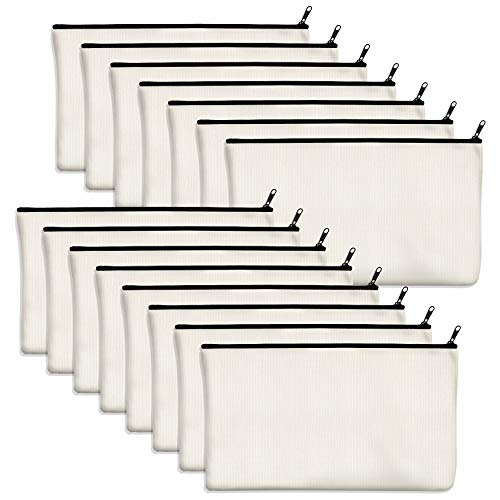
Loose small parts are where basement storage quietly falls apart. A bin of mixed screws, picture hooks, cable ties, and spare batteries looks tidy from above and turns into a dig the moment you need one exact piece. These canvas zipper pouches give those small groups a home of their own. With fifteen pouches in the pack, you can give each shelf zone its own set: one for wall anchors and screws, one for charging cords, one for furniture pads and felt discs, one for the small tools that belong with the paint shelf.
Canvas matters here, and so does honesty about it: canvas is not waterproof, and these pouches are never waterproof. Keep them up on a shelf or inside a lidded bin, off any damp floor, and let them hold dry goods only. Used that way, they shine. The zipper keeps contents from spilling when a pouch gets tossed into a bin, the fabric flexes around odd shapes better than a rigid box, and a pen-written label on a strip of tape tells you what is inside at a glance. When a pouch empties, it folds flat and waits for the next sort.
Specs:
– Pack count: 15 pouches
– Material: canvas
– Closure: zipper
– Intended use: organizing small supplies
– Water resistance: none; canvas is not waterproof
feela Pocket Notebooks 3-Pack

A basement reset holds up only when the knowledge survives the afternoon. Six months later, nobody remembers which bin holds the spare tiles or where the winter blankets went. These mini pocket journals turn that memory into a written record. Keep one notebook as the shelf inventory: a page per shelf, a line per bin, written as you sort. The second can hold a running list of things the basement needs — a new lid, more labels, a fresh set of batteries — and the third can live upstairs as the quick reference copy.
The small size suits the job. A pocket journal rides in a back pocket while you climb the stairs with your arms full, and it sits flat on a shelf edge while you write. Use the notebooks for logs and lists only: inventories, packing notes, measurements, and dates. Never write full passwords in them; account details belong in a password manager, which keeps them guarded in a way paper cannot. A notebook also helps you pause well. When energy dips, write down where you stopped and what comes next, and the following session picks up in minutes instead of guesswork.
Specs:
– Pack count: 3 notebooks
– Format: mini pocket journals
– Intended use: logs, lists, and inventories
– Not intended for: full passwords; use a password manager
Pilot G2 Pens
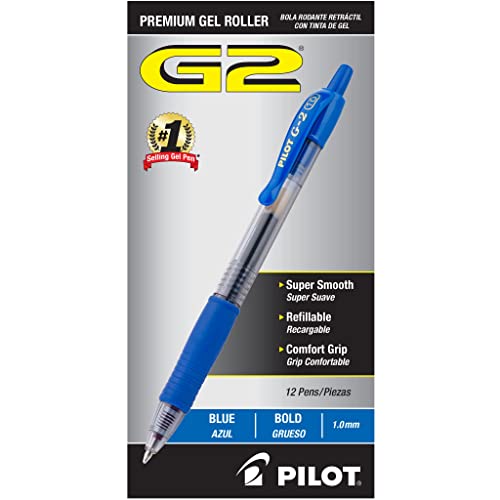
Labels fail in basements for a simple reason: faint writing. Pencil fades, thin markers bleed into cardboard, and tiny print disappears in dim light. A gel ink pen writes a bold, smooth line that stays readable on tape, cardboard, and bin lids alike, and that readability is the whole point of a label. Keep two pens with the notebooks during the reset and write every label in large, plain words: the bin name first, then two or three contents words beneath it.
Gel ink also suits the inventory work. The line flows without pressing hard, so a long labeling session tires the hand less, and the ink dries into a line that holds up when a bin gets handled again and again. Everyday writing and journaling are the pen’s home ground, which is exactly the work a reset asks of it: labels, shelf notes, packing lists, and dates. Keep the pens capped and stored with the notebooks in a pouch, off the floor, so they are where you expect them when the next sort comes around. A spare pen upstairs with the reference notebook means a quick note can be added the moment something moves shelves.
Specs:
– Ink type: gel ink
– Intended use: everyday writing and journaling
– Suited tasks here: bin labels, shelf notes, packing lists
Himalayan Glow Salt Lamp

Sorting goes better in a pleasant room, and most of the sorting for a basement reset can happen in a dry room upstairs: a table where bins get emptied, sorted, labeled, and packed before they go back down. This salt lamp gives that sorting table a warm decorative glow, the kind of soft light that makes an evening of labeling feel calm rather than harsh. Its role is simple decoration, nothing more.
Two limits deserve plain words. The lamp offers a warm glow for mood and decor; it carries no health claims and no air-purification claims, and it should never be described as providing either. It is also explicitly not a grow light, so keep it away from any plant shelf plans. And because a basement can run damp, the lamp itself belongs in a dry room, not down on a basement shelf where moisture hangs in the air. Set it where the sorting happens, enjoy the warm light while you write labels and fill pouches, and let the basement keep the sturdy, plain gear that suits a basement. When the reset ends, the lamp stays upstairs as a small reward for the work.
Specs:
– Light character: warm decorative glow
– Intended use: indoor decor in a dry room
– Not a grow light
– No health or air-purification claims
Vitscan Bamboo Charcoal Air Purifying Bags 12-Pack

Stored goods can pick up a stale smell in a closed basement, and a shelf of blankets or a bin of seasonal clothing sometimes comes upstairs carrying that smell with it. These bags use bamboo charcoal, an activated charcoal, as an odor absorber, and the twelve-bag pack lets you place them across several shelves and inside several bins at once. Tuck one beside stored linens, one in the holiday bin, one near the shoe shelf, and keep the rest spread where air moves slowly.
Keep expectations honest and general. The bags are an odor absorber for everyday storage smells; they are not a fix for damp, and no result is guaranteed. If a corner smells musty week after week, read that as a sign of moisture and fix the source — a leak, a blocked vent, a wet patch of floor — rather than adding more bags. Used alongside a dry, well-sorted basement, the bags play a quiet supporting role: they sit where stored goods rest and help those shelves smell fresher when you open a bin. Follow the maker guidance on the pack for placement and care, and keep bags up on shelves where they stay dry.
Specs:
– Pack count: 12 bags
– Fill: bamboo charcoal (activated charcoal)
– Intended use: absorbing everyday odors near stored goods
– Limits: general odor claims only; no guaranteed results; not a fix for damp
FAQ
Are any of these five a shelf unit or a storage bin?
No. None of the five products is a shelf unit or a storage bin, and those anchor pieces are bought on their own. These helpers cover the work around the shelves: sorting small pieces into pouches, keeping a written inventory, labeling bins clearly, lighting the sorting table, and placing odor absorbers near stored goods.
Where should the canvas pouches live in a basement?
Up on a shelf or inside a lidded bin, off the floor. Canvas is not waterproof, so a damp floor can soak through and reach whatever the pouch holds. Keep pouches for dry goods — hardware, cords, pads, ties — and let sealed bins handle anything that must stay fully dry.
What should go in the inventory notebook?
One page per shelf, with a line for each bin: its label name, two or three contents words, and the date you packed it. Add a needs list at the back for lids, labels, and supplies. Keep the notebook to logs and lists only, and keep full passwords in a password manager instead of on paper.
Can the charcoal bags fix a musty basement?
No. The bags absorb everyday odors near stored goods, and that is all. A lasting musty smell points to moisture, and moisture needs a fix at its source, such as a leak or poor airflow. Sort the damp problem first; use the bags afterward for the ordinary smells of stored goods.
Final verdict
A basement reset succeeds on records and labels more than on any single bin. The pouches gather the small loose pieces that used to vanish into big bins, the notebooks hold a shelf inventory the whole household can check, and the gel pens make every label readable at a glance in dim light. The salt lamp warms the dry sorting room upstairs, and the charcoal bags sit quietly near stored goods once the shelves are dry and sorted. Buy shelf units and bins on their own when the basement needs them, then let these five helpers keep the reset in place: heavy bins low, walkways clear, labels honest, and a written record that ends the guessing.