Key takeaways
- A pantry reset built on labeled canisters, sorted packets, and oldest-first shelves, with five helpers for labels, lists, and everyday dry goods order.
- Top Pick: Vantasii Canvas Zipper Pouches 15-pack
- Runner-up: feela Pocket Notebooks 3-pack
- Also consider: Pilot G2 Pens
A pantry drifts out of order in quiet ways. A bag of rice leans against a box of pasta, spice packets slide behind the flour bin, and the canister you filled a month ago hides behind one you filled last week. Nothing is truly lost, yet every round of meal prep turns into a small search. A reset built around your everyday canisters fixes the layout in one calm pass: dry goods decanted into clear, labeled jars, loose packets gathered in one drawer, and shelves arranged so the oldest items sit at the front, where they get used first.
One point deserves plain words before anything else: none of the five helpers in this guide is a canister, and none of them is a label maker. Canisters are bought on their own, in the sizes your shelves and staples call for. What follows is the support crew for that reset. Pens write the labels, notebooks hold the running inventory, pouches corral the small packets and ties in a dry drawer, a lamp warms a dry corner of the counter, and charcoal bags rest on the pantry shelf. Each one earns its place by making the canister system easier to keep up, week after week.
As an Amazon Associate, we earn from qualifying purchases.
How to choose
Begin with the canisters, because everything else in this reset serves them. Count the dry goods you reach for most often, then match canister sizes to shelf depth so no jar hides behind a taller one. Leave room at the front of each shelf for the oldest stock, and move newer fills behind it. A simple label on every jar, with the name of the contents and the month and year it went in, keeps the whole row honest. For dates and storage details, follow the guidance printed on each food’s own packaging rather than any general rule, since every product carries its own directions.
With that frame in place, choose helpers by the job they do. Pouches belong in a dry drawer, since canvas is not waterproof, so keep them for packets, clips, and ties rather than anything damp. Notebooks work best when they stay small enough to live in the drawer or an apron pocket, ready for a quick note. Pens earn their spot by writing clean labels you can read at a glance from the doorway. A lamp belongs on a dry stretch of counter, away from the sink and away from food prep, where its warm glow makes evening cooking feel calmer. Charcoal bags sit quietly on the shelf itself. And to say it once more, plainly: none of these five is a canister or a label maker, and canisters are bought on their own.
Vantasii Canvas Zipper Pouches 15-pack
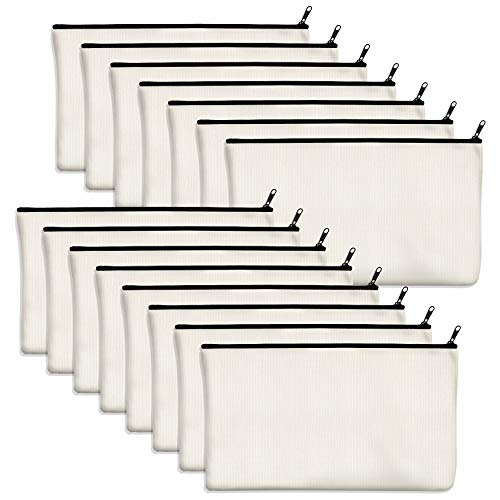
Every pantry has a scatter of small things that never quite find a home: spice sachets, stock cubes, bag clips, twist ties, spare jar labels, and the odd packet of yeast. This set of fifteen canvas zipper pouches gives that scatter a structure. Group the pouches by job, one for baking packets, one for clips and ties, one for spare labels and a pen, and the drawer beside the pantry turns from a jumble into a row of soft, labeled kits. The zipper keeps each group together when you pull one pouch out, and the canvas flexes to fit drawers that rigid boxes would waste.
The honest limit is simple: canvas is not waterproof, and these pouches should never be treated as if they were. Keep them in a dry drawer, and keep damp items, open liquids, and anything greasy elsewhere. They suit dry packets and dry tools only. Within that boundary, they shine in a reset because they make the small stuff visible. When every sachet has a pouch and every pouch has a label, the canister shelves above stay clear for jars alone, and a quick glance tells you what you hold before you buy more.
Specs:
– Pack count: 15 pouches
– Material: canvas
– Closure: zipper
– Waterproof: no, canvas build for dry storage only
– Role: organizing small supplies and packets
feela Pocket Notebooks 3-pack

A canister system stays tidy only when someone keeps track of it, and that is the quiet work of these mini pocket journals. Use one as the pantry inventory: a page per shelf, a line per canister, and a short note when a jar runs low. Keep a second by the door or in a bag for the running shopping list, so the item you notice at breakfast makes it onto the list before lunch. The third can hold refill notes, such as which jar holds the backup rice and when the flour bin was last filled.
The pocket size matters here. A notebook that lives in the drawer beside the pouches, or slips into an apron, gets used; a bulky journal left in another room does not. Keep the pages for logs and lists only, in line with their purpose. For anything beyond pantry notes, such as account logins or codes, a password manager is the right tool, and these pages should hold shelf notes, dates, and lists instead. Paired with a pen from the same drawer, a ten-second note after each shop keeps the oldest-first shelf order accurate without any fuss, and the inventory stays current.
Specs:
– Pack count: 3 notebooks
– Format: mini pocket journals
– Use: logs and lists
– Role in this reset: pantry inventory and shopping lists
Pilot G2 Pens
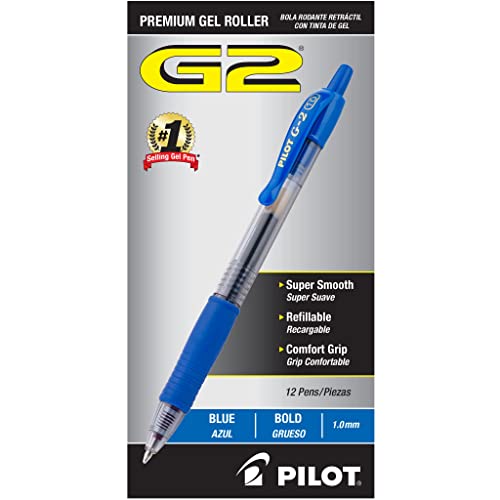
Labels are the backbone of the whole reset, and these gel ink pens are the tool that writes them. A canister without a label is a guess waiting to happen, since flour, powdered sugar, and baking mixes all look alike through glass. Write the name of the contents in clear block letters, add the month and year the jar was filled, and the shelf turns into a row you can read at a glance. Gel ink lays down a bold, even line on paper labels, which helps when jars sit in dim pantry light.
Keep one pen in the pouch drawer with the spare labels, so labeling a refill takes seconds rather than becoming a chore for another day. The same pens handle the notebook inventory, the shopping list, and quick notes on the calendar by the door. When you refill a jar, cross out the old date and write the new one, and when two jars hold the same staple, mark which one sits at the front. Follow the date and storage guidance printed on each food’s own packaging for how long things keep, and let the label simply carry that date onto the jar where you can see it.
Specs:
– Ink type: gel ink
– Uses: everyday writing, journaling, and labeling
– Role in this reset: canister labels and inventory notes
Himalayan Glow Salt Lamp

A pantry reset is mostly about order, yet the feel of the room matters too, and this lamp covers that side of the work. Set on a dry corner of the counter, away from the sink, away from splashes, and away from the food prep zone, it gives off a warm glow that makes the kitchen feel settled during evening cooking. It pairs well with the reset habit of a final tidy pass at night, when jars go back to their rows and labels face forward under soft light.
Keep the framing honest, though. This is a decorative lamp, valued for its warm glow and nothing beyond that. It makes no health claims here, and it should never be treated as one. It is also not a grow light, so herbs on the windowsill gain nothing from it, and it does no work on the pantry air. Place it on a dry, stable surface with the cord clear of water and heat, as you would with any small lamp, and let it do the one job it does well: making a tidy kitchen feel warm and calm at the end of the day.
Specs:
– Type: decorative salt lamp
– Light: warm glow
– Grow light: no
– Placement: dry counter corner, away from water and food prep
Vitscan Bamboo Charcoal Air Purifying Bags 12-pack

Pantries hold strong-smelling neighbors side by side: onions near the crackers, spices beside the cereal, coffee next to the tea. This twelve-pack of bamboo charcoal bags gives you enough pieces to spread along the pantry shelves, tucking one into each corner and a couple into the cabinets where dry goods rest. The bags use bamboo and activated charcoal, and their role in this reset is general odor absorbing company for the jars, sitting quietly behind the canisters without adding any scent of their own.
Hold the expectations at a general level. These bags are a mild, background helper, and no outcome is promised or guaranteed for any given shelf or smell. They do not replace the basics: keep onions and potatoes in their own spot, wipe spills when they happen, and follow the storage guidance on each food’s own packaging. What the bags add is steady, low-effort support for the reset, and twelve bags cover a full pantry in one pass rather than one bag moved from shelf to shelf. Replace or refresh them following the guidance that comes with the pack, and let the canister labels and inventory do the heavy lifting of the system.
Specs:
– Pack count: 12 bags
– Fill: bamboo charcoal and activated charcoal
– Role: general odor absorbing for enclosed spaces
– Placement: pantry shelves and cabinets
FAQ
Does this reset include the canisters themselves?
No, and that point is worth repeating plainly. None of the five products in this guide is a canister, and none of them is a label maker. Canisters are bought on their own, in the sizes that suit your shelves and the staples you keep. The five helpers here support the system around the jars: labels, lists, sorted packets, a calm counter corner, and bags on the shelf.
What should a canister label say?
Keep it short and readable: the name of the contents and the month and year the jar was filled. When you refill, update the date. For how long a food keeps and how it should be stored, follow the dates and storage guidance printed on that food’s own packaging, since those directions come from the maker and vary by product. The label simply brings that date onto the jar where you can see it during daily cooking.
Can the canvas pouches hold damp items or open packets?
No. The pouches are canvas, and canvas is not waterproof. Keep them in a dry drawer with dry goods only, such as sealed sachets, clips, ties, and spare labels. Anything damp, greasy, or liquid belongs elsewhere in the kitchen. Used within that limit, the pouches keep the small scatter sorted so the canister shelves stay clear for jars.
Where does the salt lamp belong in the kitchen?
On a dry counter corner, away from the sink, away from water, and away from the food prep area, with its cord kept clear as you would for any small lamp. It is a decorative piece with a warm glow, nothing more. It is not a grow light for herbs, and it does no work on the air. Its job in this reset is simply to make a tidy kitchen feel calm during evening cooking.
Final verdict
A pantry reset holds when the system is simple enough to maintain on a busy weeknight, and that is what this group delivers. The canisters, bought on their own, do the storing. The Pilot G2 pens make every jar readable, the feela notebooks keep the inventory and the shopping list current, and the Vantasii pouches give the small packets a dry, sorted home. The salt lamp warms a dry counter corner, and the Vitscan charcoal bags rest along the shelves as quiet, general support. Set the oldest jars at the front, label every fill, follow each food’s own packaging for dates and storage, and the pantry stays in order long after reset day.