Key takeaways
- Set up a bright kitchen window herb and sprout tray corner with dry seed storage, a pocket watering log, clear gel pen labels and simple odor control.
- Top Pick: Vantasii Canvas Zipper Pouches, 15 pack
- Runner-up: feela Pocket Notebook Journals, 3 pack
- Also consider: Pilot G2 Pens
The sunniest shelf in many kitchens is the window over the sink, and it is a natural home for a small growing corner. A row of herb pots and a sprout tray fit neatly along the sill, close to water and easy to check while meals come together. The challenge is keeping that narrow space tidy: seed packets multiply, labels fade, and watering days blur together. A few simple support pieces solve most of that. With pouches for packets and tools, a pocket log for watering notes, and clear labels on every pot, the corner stays organized instead of cluttered, and the plants get steadier care.
This guide explains how to choose the supporting kit for a kitchen window herb and sprout tray setup, then looks at five items that cover storage, logging, labeling, evening ambience, and general odor control around the sink. Growing advice stays general on purpose: light, water, and timing vary by plant, so the seed packet remains the authority for each variety. The items below simply make the routine easier to follow — a dry place for seed packets, a notebook that lives by the sill, pens that write clean labels, a warm lamp for the evening look of the corner, and charcoal bags for the cabinet under the sink.
As an Amazon Associate, we earn from qualifying purchases.
How to choose
Measure the sill first. Kitchen windowsills vary from a narrow ledge to a deep bay. Measure the depth before choosing pots and a sprout tray, and leave room at the front edge for labels you can read without leaning over the sink. A tray with a raised lip helps contain drips when pots are lifted for watering.
Plan around water. This corner lives above a sink, so splashes are part of daily life. Anything fabric in the kit — seed pouches in particular — belongs in a dry drawer or cabinet, not on the sill. Keep a small towel at the end of the sill for the tray and pots, and treat the sill itself as a place for plants and labels only.
Label at sowing time. Herbs look alike as seedlings. Write the plant name and sowing date on a marker when the seeds go in, and copy the key points from the packet into a log the same day. Clear labels and a simple log remove most of the guesswork from watering, because every pot can be matched to its own notes at a glance.
Follow the seed packet. Light needs, sowing depth, and watering vary by plant and by variety. The packet is the reliable source for each one; the kit in this guide only supports the routine around it. When packet guidance and habit disagree, the packet wins, and no general guide can set yields or timelines for a given window.
Keep each item in its lane. A lamp chosen for warm evening glow is decor, not a grow light. Charcoal bags are a general odor helper, not a cure for a smelly drain. Matching each piece to its real job keeps the corner honest, tidy, and easy to maintain week after week.
Vantasii Canvas Zipper Pouches, 15 pack
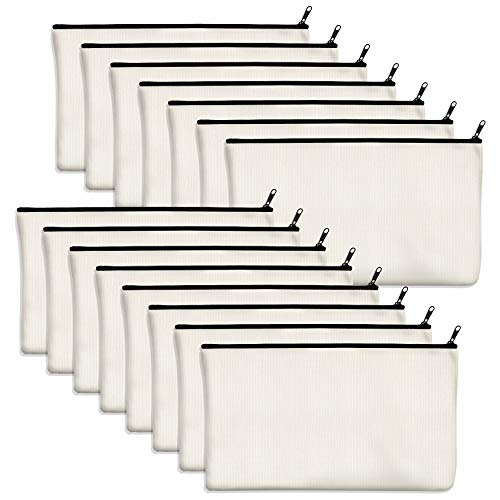
A windowsill growing corner gathers small, easy-to-lose things: half-used seed packets, plant markers, twist ties, and a folded copy of sowing notes. The Vantasii Canvas Zipper Pouches give those smalls a home. The set includes 15 canvas pouches with zipper closures, enough to sort seed packets by herb, keep markers in one place, and hold ties and clips away from the damp sink area.
Canvas is the honest trade-off here. It is sturdy, light, and easy to label, but it is not waterproof, and this corner calls for plain handling: keep the pouches dry and store them indoors, in a drawer or cabinet near the window rather than on the wet sill itself. Seed packets stay in better condition in a dry pouch than loose in a steamy kitchen, and a zipper keeps contents from spilling when the pouch travels to a potting bench or a garden bed.
For this setup, one pouch can hold the seed packets in current rotation, another the markers and ties, and a third the small tools used at the sill. Because the pouches are plain canvas, a gel pen label or a paper tag makes each one easy to identify at a glance, and the whole seed library for the window fits in a single drawer.
Specs
– Pack size: 15 pouches
– Material: Canvas
– Closure: Zipper
– Water resistance: Not waterproof — keep dry and store indoors
– Intended use: Organizing supplies, seed packets, markers and small tools
feela Pocket Notebook Journals, 3 pack

A watering log sounds fussy until the first week of guessing begins: one pot looks dry, another was watered yesterday, and the sprout tray needs rinsing on a rhythm of its own. The feela Pocket Notebook Journals are a low-effort fix. The set includes three mini pocket journals, small enough to live on the sill, in an apron pocket, or beside the seed pouches.
One journal can serve as the watering log: a line per day with the date, which pots were watered, and which tray was rinsed. A second journal suits sowing notes copied from seed packets — sowing depth, spacing, and the light guidance printed on the packet — so the packet itself can go back into dry storage. The third can hold harvest notes and a running list of what to sow next, once the current pots are established.
Paper suits this job because the log lives within reach of the plants. There is no app to open with wet fingers, and a pocket journal survives being knocked off the sill far better than a phone would. Keep entries short and factual; the value is in the habit, not the detail. Over a few weeks the log shows patterns — which pot dries out first, which end of the sill gets the strongest sun — that memory alone rarely keeps straight.
Specs
– Pack size: 3 journals
– Format: Mini pocket notebooks
– Intended use: Lists and logs, including a daily watering log
Pilot G2 Pens
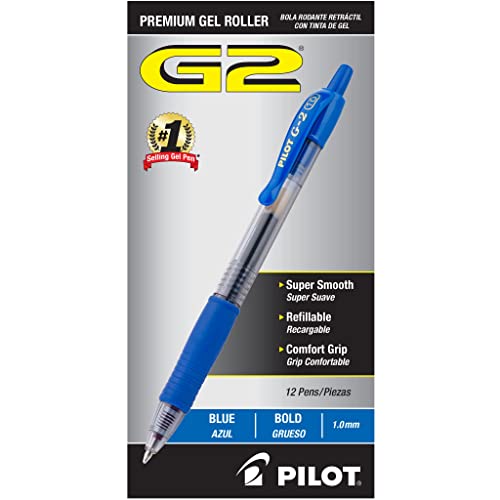
Labels are the quiet backbone of a windowsill garden. Seedlings of different herbs look nearly identical in their first weeks, and a faded marker turns watering into guesswork. The Pilot G2 Pens are the labeling tool in this kit: gel ink pens made for everyday writing and journaling, with a smooth, dark line that reads clearly on plant markers, tape, and the paper tags used on seed pouches.
Gel ink lays down evenly, so a marker written once stays legible through weeks of kitchen humidity better than a scratchy ballpoint line that skips. Use the pens for pot labels with the herb name and sowing date, for tags on each canvas pouch, and for the entries in the pocket watering log, where a clean line keeps dates and notes easy to scan in a hurry.
A small habit improves the whole corner: label at sowing time, not later. Write the marker when the seeds go in, while the packet is still in hand, and note the same name in the log. The pens live with the pouches and journals, so labeling takes seconds. For markers that spend a long season in bright sun, any ink can fade in time, so the log remains the backup record when a tag eventually washes pale.
Specs
– Pen type: Gel ink
– Intended use: Everyday writing and journaling
– In this kit: Plant labels, pouch tags and log entries
Himalayan Glow Salt Lamp

The Himalayan Glow Salt Lamp plays a different role in this corner: pure ambience. Its warm decorative glow suits the evening side of the kitchen, when the window is dark and the herb pots become silhouettes on the sill. Placed on a counter near the window, it gives the growing corner a finished, styled look after the day’s watering and checking are done.
Two limits deserve plain words. The lamp is decor, not a grow light — it does not feed plants, and no spot in this guide treats it as a light source for herbs or sprouts, which depend on the window’s daylight and the guidance on each seed packet. It also carries no health or air-purification role here; it is a lamp, valued for warm light and appearance only.
Placement matters for a practical reason: keep the lamp on a dry stretch of counter, away from the splash zone of the sink and away from watering cans and misting bottles, the same as any electrical decor. Kept dry and used in the evening, it rounds out the corner nicely — the plants get the daylight, and the lamp handles the after-dark mood of the kitchen window.
Specs
– Type: Himalayan salt lamp
– Light: Warm decorative glow
– Role: Decor only — not a grow light
Vitscan Bamboo Charcoal Air Purifying Bags, 12 pack

A growing corner over the sink shares air with the busiest work zone in the kitchen: the trash cupboard below, the drain, and the compost caddy all sit close by. The Vitscan Bamboo Charcoal Air Purifying Bags are the odor-control piece of this kit. The set includes 12 bags made with bamboo and activated charcoal, a format used as a general odor absorber around the home.
General is the right word. These bags are a background helper for everyday kitchen smells near the sink cabinet and bin area, not a fix for a blocked drain or old food waste, and this guide makes no stronger claim for them. Placed inside the under-sink cabinet, beside the trash pull-out, or near the compost caddy, they suit the spots where cooking and cleanup odors gather between deep cleans.
Having 12 bags in the set lets the corner and its surroundings share them: a couple near the sink base, others in nearby cabinets or on a pantry shelf. Because they need no power and no liquid refills, they fit a small kitchen where counter space is already spoken for. Follow the maker’s guidance for refreshing and replacing the bags so they keep doing their quiet background job beside the growing corner.
Specs
– Pack size: 12 bags
– Material: Bamboo charcoal and activated charcoal
– Intended use: General odor absorbing around the home
FAQ
Can the salt lamp stand in for a grow light?
No. The lamp in this kit is decor with a warm decorative glow, nothing more. Herbs and sprouts on the sill rely on daylight from the window, and each seed packet gives the light guidance for its variety. Treat the lamp as evening ambience for the cook, never as a light source for the plants.
How do I keep seed pouches dry beside a sink?
Store the canvas pouches in a drawer or cabinet near the window rather than on the sill. Canvas is not waterproof, so the splash zone is the wrong home for seed packets. A pouch kept dry indoors protects the packets, and the seeds inside, far better than leaving them loose by the faucet.
What belongs in a watering log?
Keep it simple: the date, which pots were watered, when the sprout tray was rinsed, and short notes copied from seed packets, such as sowing depth and spacing. A line a day is enough. After a few weeks the log shows which pots dry out quickly and how each plant is progressing, without any guesswork.
Where should the charcoal bags go in this corner?
Place them where kitchen odors gather: inside the under-sink cabinet, beside the trash pull-out, or near the compost caddy. They work as a general odor absorber for everyday smells. They are not a remedy for a blocked drain or spoiled food, which need cleaning rather than a charcoal bag nearby.
Final verdict
A kitchen window herb and sprout tray corner succeeds on routine more than on gear. The plants need the window’s daylight and the guidance on each seed packet; everything else in this kit exists to keep that routine tidy. The Vantasii pouches give seed packets a dry, sorted home, the feela journals turn watering into a written habit, and the Pilot G2 pens keep labels legible from sowing day onward. The salt lamp adds warm evening glow as decor only, and the Vitscan charcoal bags quietly handle general odor duty under the sink. Choose the full set for a complete corner, or begin with the pouches, one journal, and the pens — the three pieces that do the daily work — and add the rest as the sill fills in.